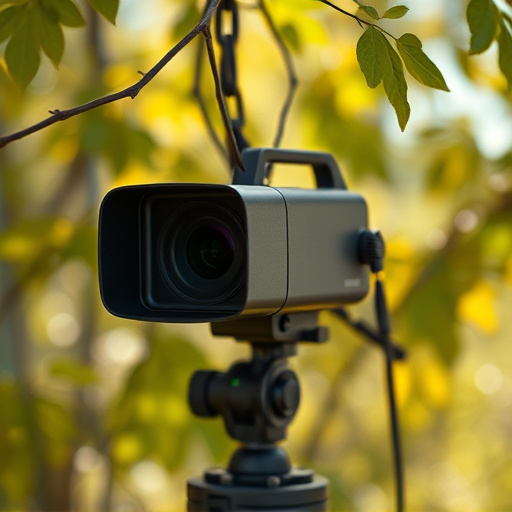
Night Vision Spy Camera Placement is governed by strict laws in many jurisdictions, with varying permissions and regulations. Ethical use requires understanding local laws regarding recording, device types, and access to footage. Advanced night vision technology helps detect hidden cameras by revealing visual cues like lenses or cables in low-light conditions. Optimal placement involves strategic positioning in corners, doorways, or ceiling lights. Regular inspections of dark spaces are crucial for threat detection. Observing distinct visual indicators, such as pinholes or reflective surfaces, aids in identifying covert recording devices. Heat maps and AI detection technologies further enhance security by analyzing motion data and video feeds.
Uncover hidden threats with our comprehensive guide on covert recording spot identification. In today’s digital age, understanding the legal boundaries of surveillance is paramount. This article delves into effective methods for detecting night vision spy camera placements, empowering individuals to protect their privacy.
From recognizing visual clues to leveraging advanced heat maps and AI detection, we explore diverse techniques. Stay ahead of potential threats by mastering these strategies, especially in identifying common spots where spy cameras are concealed.
- Understanding Legal Boundaries for Covert Recording
- Night Vision Technology: Unlocking Hidden Cameras
- Identifying Common Spy Camera Placement Spots
- Visual Clues: Recognizing Discreet Camera Setups
- Advanced Methods: Using Heat Maps and AI Detection
Understanding Legal Boundaries for Covert Recording
In many jurisdictions, covert recording, especially in public spaces, is subject to strict legal boundaries. It’s crucial to understand these laws to ensure your actions remain within ethical and legal limits. While some regions allow certain types of hidden surveillance for security or investigative purposes, others have stringent regulations prohibiting such practices without explicit consent from individuals being recorded. For instance, placing a night vision spy camera in public areas could be considered an invasion of privacy unless done under controlled circumstances, like in cases authorized by law enforcement or with the knowledge and permission of those involved.
When considering night vision spy camera placement for security purposes, it’s essential to consult local laws and regulations. This includes knowing where recording is permitted, what types of devices are allowed, and who can access the recorded footage. Adhering to these legal boundaries not only safeguards your rights but also ensures your surveillance efforts contribute positively to public safety without trampling on individual privacy rights.
Night Vision Technology: Unlocking Hidden Cameras
Night Vision Technology has emerged as a powerful tool in the world of covert recording, enabling individuals to uncover hidden cameras and identify secret surveillance spots. This advanced technology leverages low-light conditions to capture visible images, making it an effective method for spotting concealed spy cameras. By employing specialized sensors and image intensifiers, night vision devices can reveal hidden camera lenses, cables, or any other visual cues that might indicate covert recording.
For instance, Night Vision Spy Camera Placement involves scanning dark areas with a night vision device, looking for unusual objects or irregular patterns on walls, ceilings, or furniture. These high-tech gadgets can detect even the faintest light emissions, allowing users to identify and disable hidden cameras, thereby ensuring privacy and security in various settings, from homes to public spaces.
Identifying Common Spy Camera Placement Spots
Identifying potential night vision spy camera placement spots is a crucial step in ensuring your privacy and security. These hidden cameras are often discreetly placed to capture sensitive information without the subject’s knowledge, making them hard to spot. Common areas of concern include corners and edges of rooms, above doorways and windows, inside ceiling light fixtures, behind picture frames or mirrors, and under desks or tables.
Professionals advise being vigilant around areas with low lighting or narrow vistas, as these provide ideal conditions for night vision technology. Regularly inspecting these zones with a critical eye can help you identify potential threats and take proactive measures to protect your personal space.
Visual Clues: Recognizing Discreet Camera Setups
In the realm of covert recording, identifying the location of a hidden camera requires keen observation and an understanding of visual cues. One of the first steps in spotting discreet camera setups is to look for signs of Night Vision Spy Camera Placement. These devices often leave unique markings or adaptations to their surroundings, such as small pinholes or reflective surfaces, which can be missed by the naked eye but are telltale signs of surveillance equipment.
By examining the environment closely, especially in low-light conditions where night vision cameras excel, individuals can uncover these subtle visual clues. The strategic placement of shadows, unusual markings on walls or furniture, and odd angles in photographs might hint at the presence of a covert recording device, prompting further investigation to ensure privacy and security.
Advanced Methods: Using Heat Maps and AI Detection
Advanced methods, such as heat maps and AI detection, offer sophisticated solutions for identifying covert recording spots. Heat maps visually represent areas of high activity or potential hidden cameras by analyzing data from various sources like motion sensors and facial recognition software. This technique is particularly useful in large spaces where manual searches might be impractical.
AI detection algorithms, on the other hand, can analyze video feeds to identify patterns indicative of covert recording devices. By learning from vast datasets, these AI models can distinguish between normal activities and suspicious behaviors, helping to pinpoint hidden cameras like night vision spy camera placement. This technology ensures a more efficient and comprehensive search process.
Covert recording, while often necessary for security and evidence purposes, raises legal considerations. Understanding these boundaries is key to responsible practice. With advancements in technology like night vision spy camera placement techniques and AI detection, identifying hidden cameras has become more feasible. By combining legal knowledge with practical methods, such as recognizing visual clues and utilizing advanced tools, you can effectively navigate this intricate field, ensuring both legality and successful surveillance.